The Importance of Goddess Ganga in Hindu Culture
Goddess Ganga holds a special place in Hindu culture and spirituality. Revered as the divine personification of the holy River Ganga, she is considered a symbol of purity, compassion, and spiritual liberation. For millions of devotees, Ganga is not merely a river but a sacred mother who nurtures, protects, and blesses those who seek her grace. Her significance extends beyond religion, influencing Indian traditions, rituals, and cultural practices for centuries.
The Divine Origin of Goddess Ganga
According to Hindu mythology, Goddess Ganga descended from heaven to Earth to purify humanity and help liberate the souls of King Bhagiratha's ancestors. It is believed that her powerful flow could have destroyed the Earth, so Lord Shiva caught her in his matted locks and gently released her to flow across the land. This divine story highlights Ganga’s role as a source of life, purification, and spiritual blessings.
The river's heavenly origin makes it one of the most sacred natural elements in Hinduism, attracting pilgrims and devotees from across the world.
Symbol of Purity and Spiritual Cleansing
One of the most important aspects of Goddess Ganga is her association with purity. Hindus believe that bathing in the holy waters of the Ganga can cleanse sins and purify the soul. Many people visit sacred cities along the river, such as Varanasi, Haridwar, and Prayagraj to perform religious rituals and seek spiritual renewal.
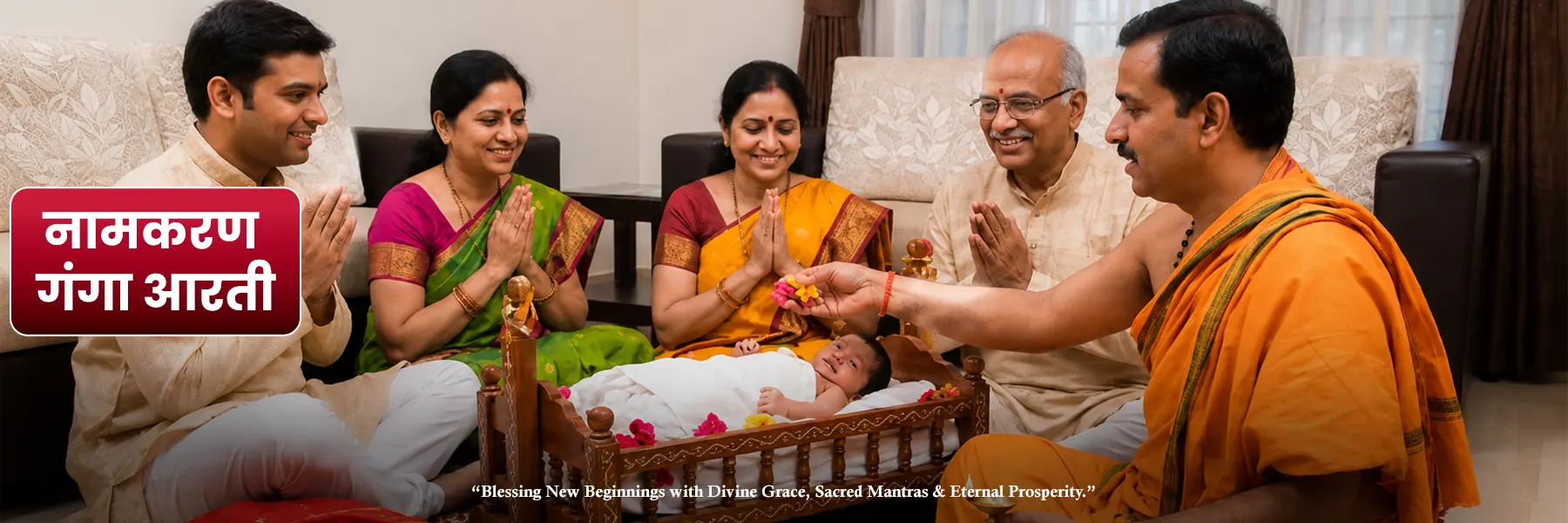
The river is also an integral part of important ceremonies, including prayers, festivals, and rites for departed souls. Its water is often used in religious rituals because it is considered sacred and purifying.
Goddess Ganga in Daily Worship and Festivals
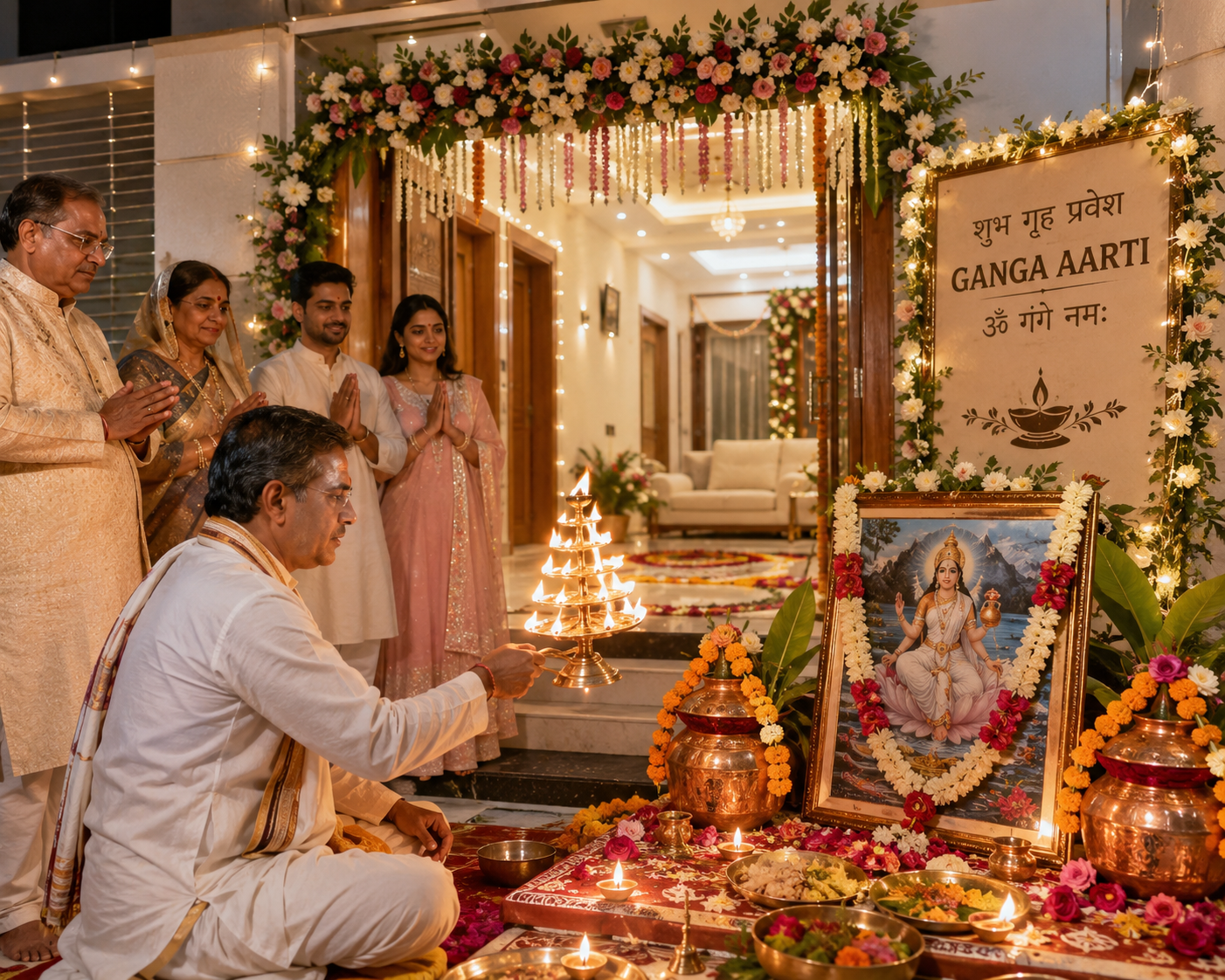
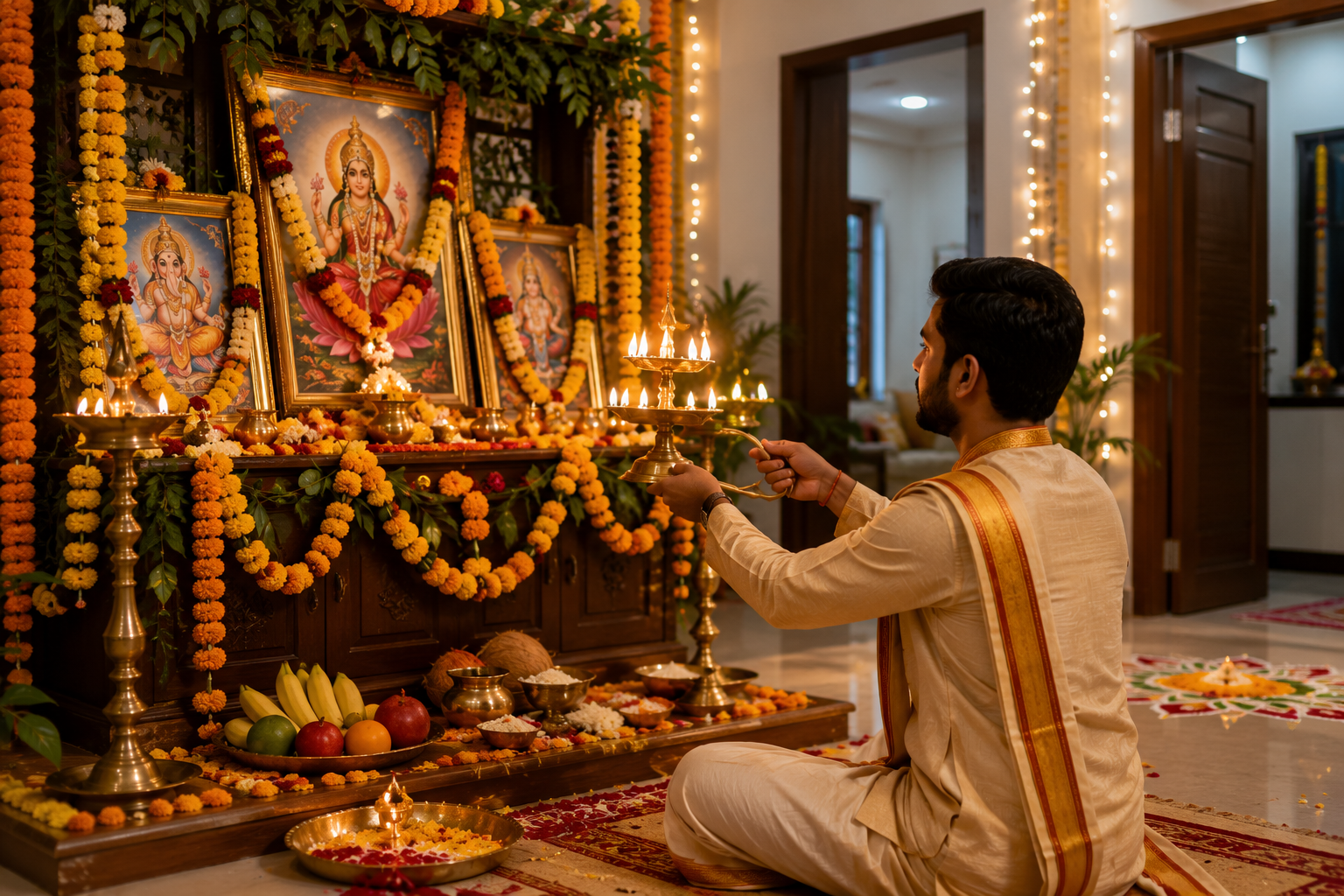
Goddess Ganga is worshipped throughout India, especially during festivals dedicated to her honor. One of the most celebrated events is Ganga Dussehra, which marks her descent to Earth. Devotees offer prayers, flowers, and lamps to seek her blessings for health, prosperity, and spiritual growth.
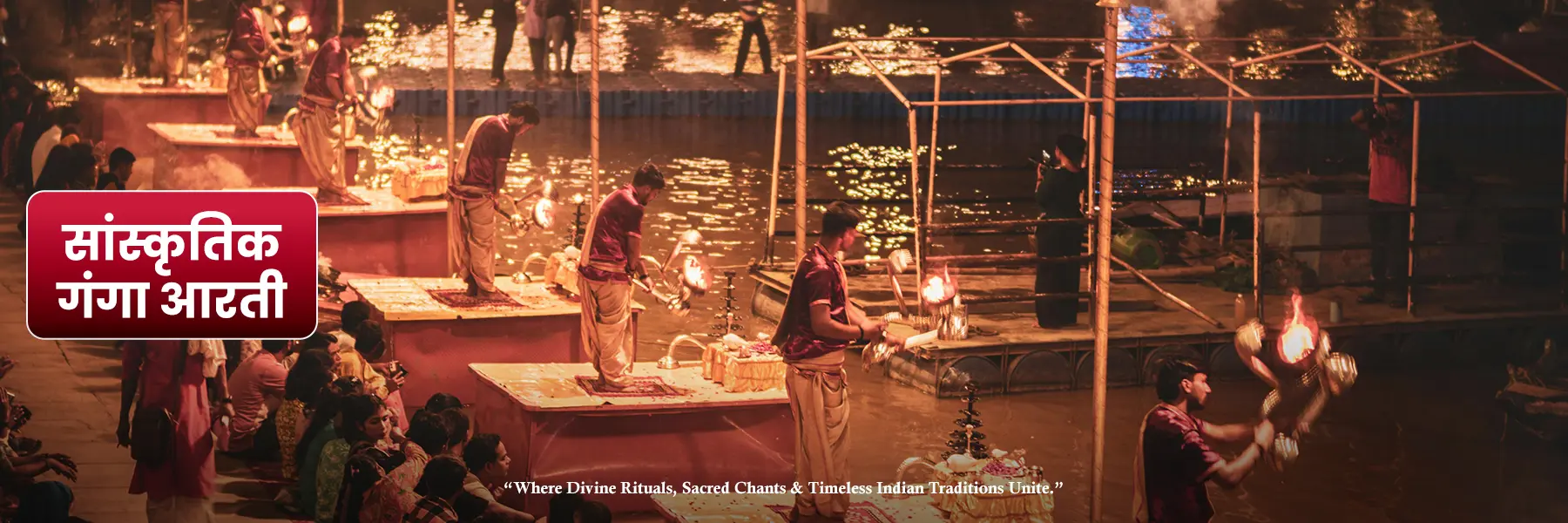
The famous Ganga Aarti ceremonies performed along the riverbanks are another expression of devotion. The sight of illuminated lamps, chanting priests, and devotional music creates a powerful spiritual atmosphere that attracts countless worshippers every day.
Cultural and Environmental Significance
Beyond her religious importance, Goddess Ganga represents
India's rich cultural heritage. The river supports millions of people by
providing water for agriculture, daily life, and livelihoods. She has inspired
countless works of art, literature, music, and spiritual teachings throughout
history.
Today, efforts to protect and preserve the Ganga also reflect the belief that caring for nature is a form of respecting the divine.
Goddess Ganga remains one of the most revered figures in
Hindu culture. As a symbol of purity, compassion, and spiritual liberation, she
continues to inspire devotion and faith among millions. Her sacred presence
influences religious practices, cultural traditions, and daily life, making her
an enduring source of blessings and spiritual connection for generations.