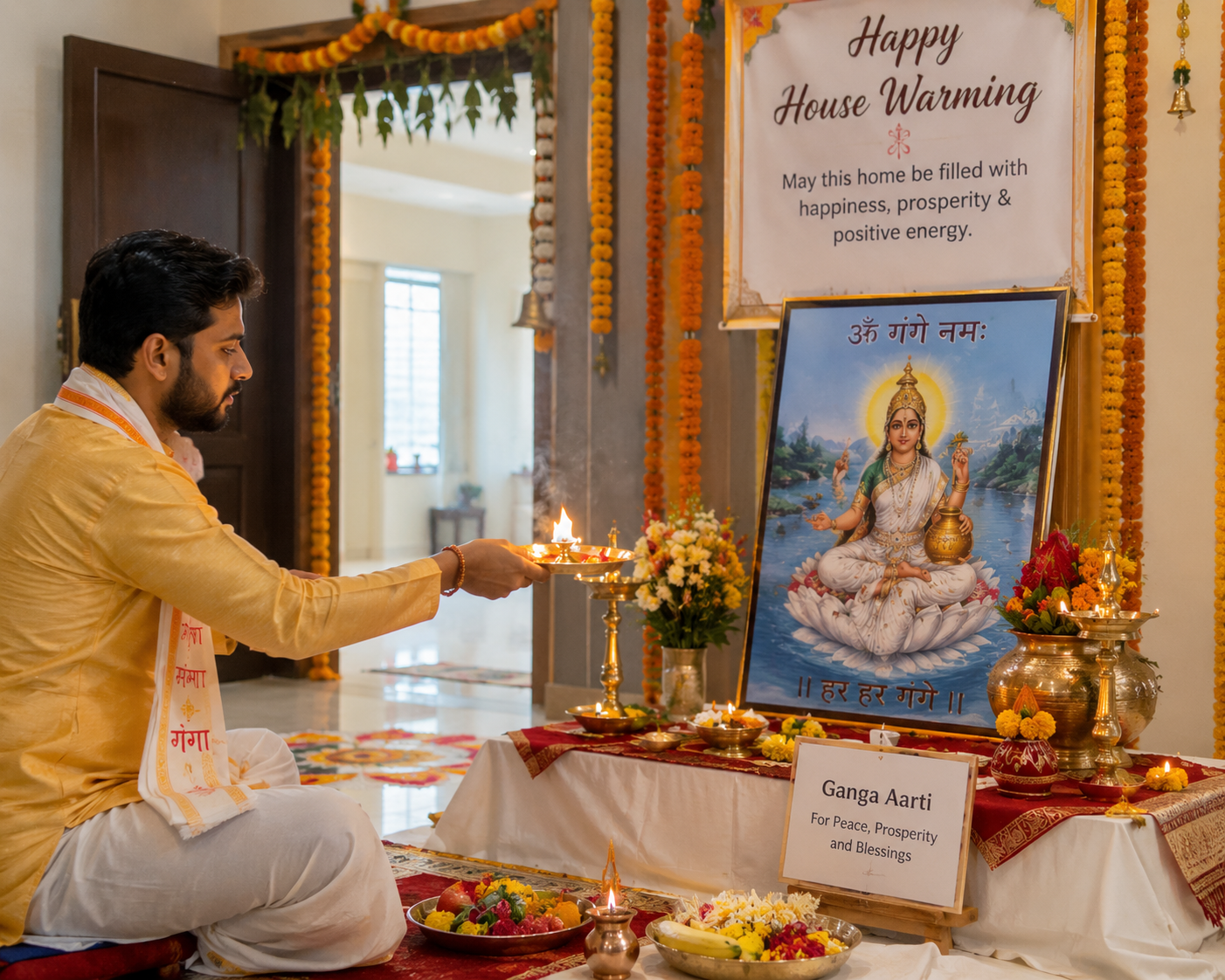
Why Maa Ganga Is Worshipped in Hindu Culture
Maa Ganga – The Symbol of Purity and Divinity
Maa Ganga holds a deeply sacred place in Hindu culture and spirituality. Revered as the goddess of purity, peace, and salvation, the River Ganga is not only considered a holy river but also a divine mother who blesses humanity with spiritual cleansing and positive energy. Millions of devotees worship Maa Ganga with immense faith, believing that her sacred waters have the power to purify the mind, body, and soul.
The Mythological Significance of Maa Ganga
According to Hindu mythology, Maa Ganga descended from
heaven to Earth to cleanse humanity of sins and provide spiritual liberation.
Ancient scriptures describe how Lord Shiva received the powerful flow of the
river in his matted locks to protect Earth from its force. This divine story
makes Maa Ganga one of the most spiritually important figures in Hinduism.
The Ganga is often seen as a bridge between heaven and Earth, symbolizing divine grace and compassion for humanity.
Spiritual Importance of the River Ganga
In Hindu tradition, water represents life, renewal, and
purity, and Maa Ganga embodies all these qualities. Devotees believe that
bathing in the holy waters of the Ganga can wash away negative karma and bring
inner peace.
Many people visit the riverbanks to perform prayers, meditation, and rituals for blessings, health, prosperity, and spiritual growth. Sacred ceremonies such as pind daan, asthi visarjan, and pujas are commonly performed near the river because of its spiritual importance.
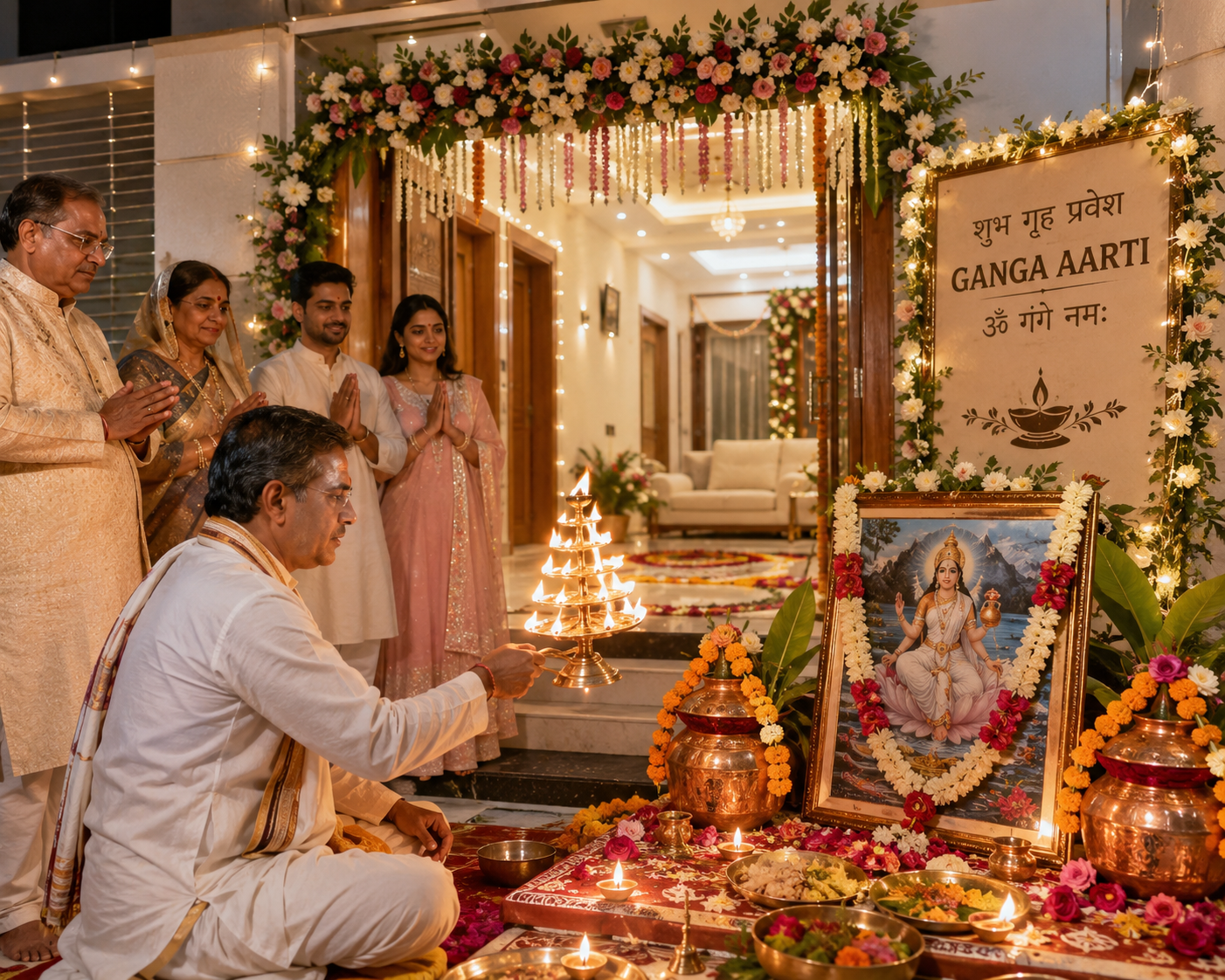
Ganga Aarti – A Divine Expression of Devotion
One of the most beautiful ways devotees worship Maa Ganga is
through Ganga Aarti. During the aarti, priests offer lamps, devotional songs,
conch sounds, and prayers to honor the goddess and express gratitude.
The glowing diyas, rhythmic chants, and spiritual atmosphere create a peaceful and divine experience for devotees. Ganga Aarti is believed to spread positivity, calmness, and spiritual energy throughout the surroundings.
Maa Ganga in Family Ceremonies and Traditions
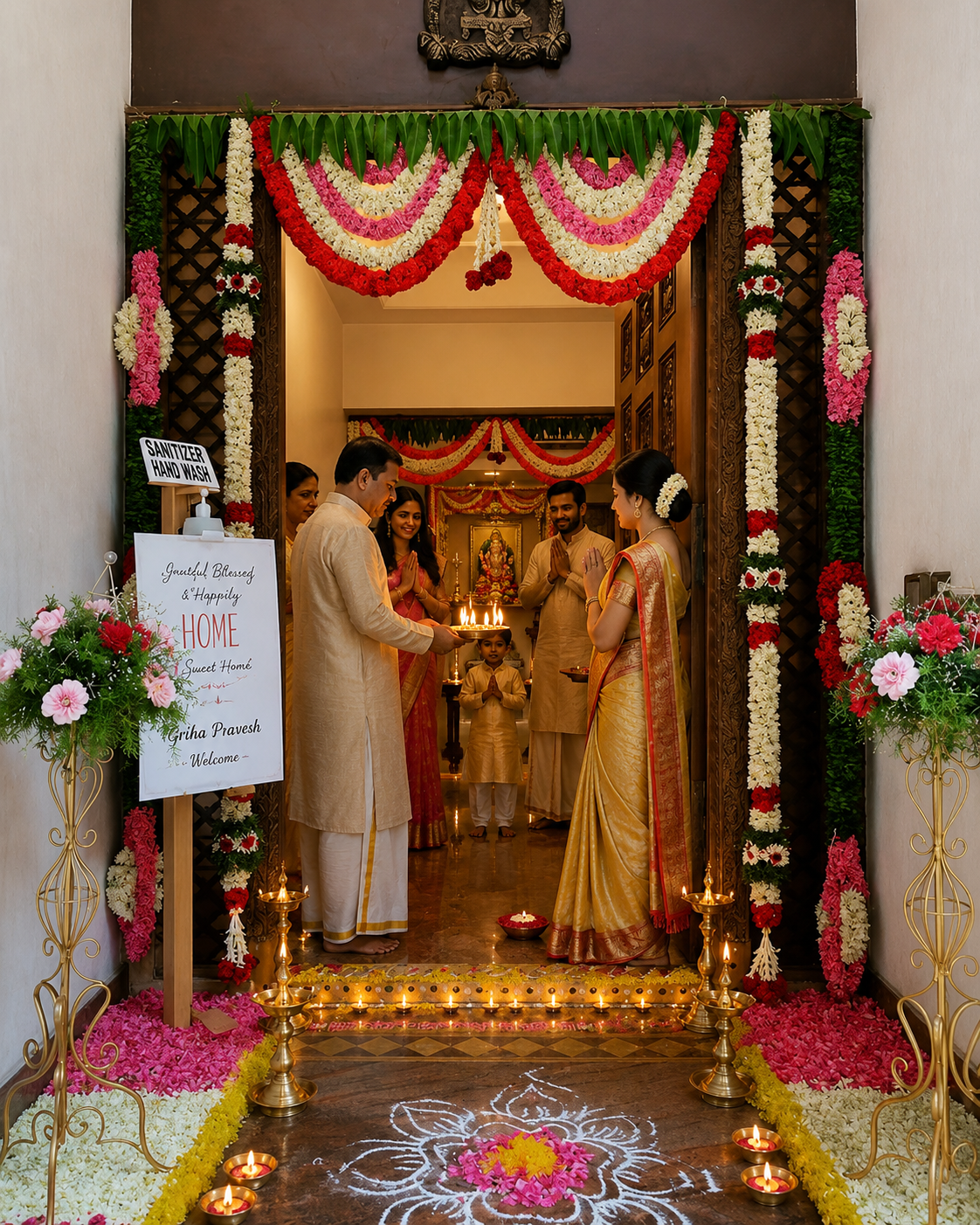
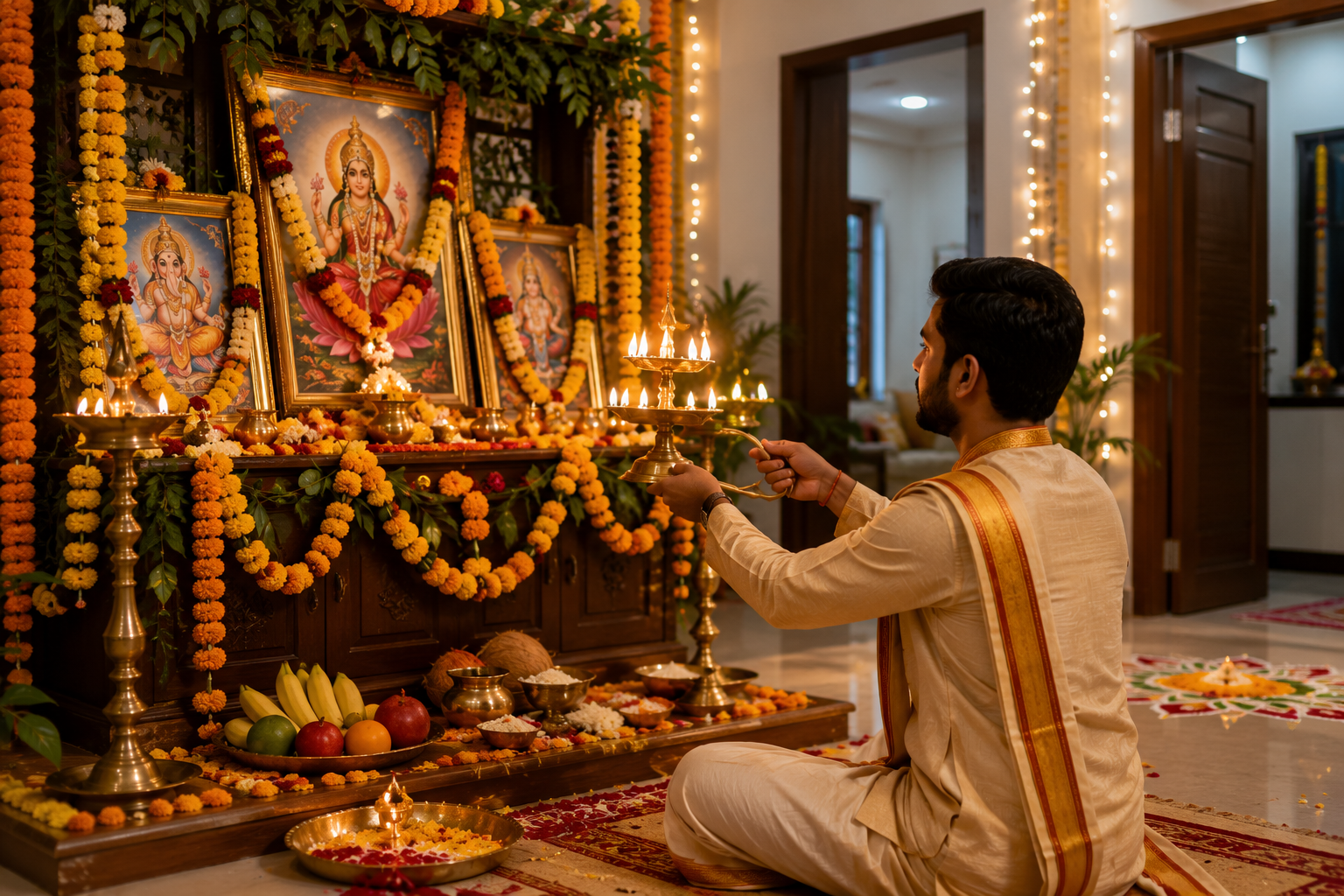
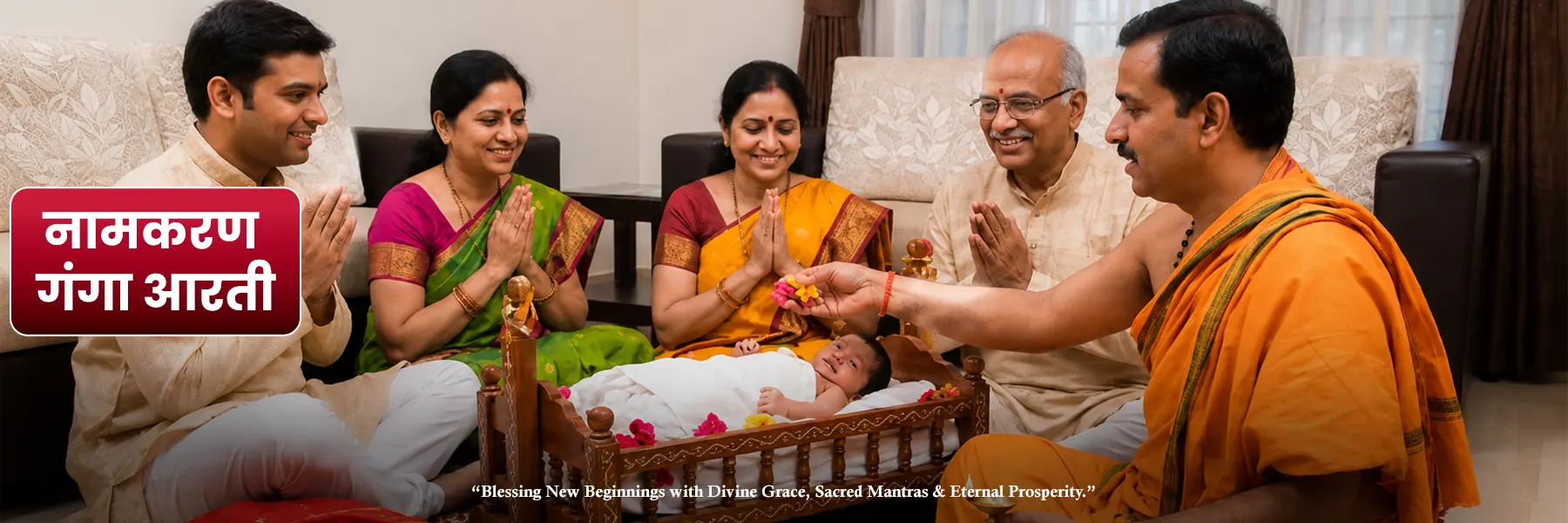
Maa Ganga is also worshipped during important family occasions and Hindu rituals. Families often organize Ganga Aarti during:
- Naming Ceremonies (Namkaran Sanskar)
- Weddings
- Mundan Ceremonies
- Housewarming Functions
- Annaprashan Ceremonies
- Festivals and Religious Gatherings
Including Ganga Aarti in these events is believed to invite divine blessings, happiness, protection, and prosperity into the family.
A Symbol of Faith and Spiritual Strength
Beyond religion, Maa Ganga represents motherhood, compassion, purity, and spiritual strength. She continues to inspire millions of people across generations through faith and devotion.
Even today, worshipping Maa Ganga reminds people of the
importance of gratitude, positivity, spirituality, and inner peace in daily
life. Her divine presence remains an eternal symbol of hope, blessings, and
sacred tradition in Hindu culture.
Visit My Ganga Aarti
to book traditional Ganga Aarti services and experience the spiritual beauty of
Maa Ganga’s blessings with your loved ones.